
Quick answer: The best anti-aging treatments change with age because skin changes with age. In your 30s, most plans focus on prevention: sun protection, regular facials, light peels, and early collagen support with treatments such as microneedling. In your 40s, many people add treatments for sun spots, uneven tone, and early laxity, such as IPL photofacials, medium-depth peels, and skin tightening. In your 50s and beyond, plans often include deeper resurfacing such as fractional CO2 laser along with tightening and maintenance care. The right plan depends on your skin, not just your age, so it starts with a consultation. Oxygen Med Spa in Orland Park builds customized treatment plans and has served the area since 2008.
A single treatment can give you a nice glow for an event. Lasting results come from a plan: the right treatments, in the right order, repeated at the right intervals, and supported by good daily care. This guide explains how skin typically changes over the decades and which professional treatments are commonly used at each stage.
Every person’s skin is different. Genetics, sun exposure, skin type, and lifestyle often matter as much as age. Use this guide as a starting point for a conversation with a licensed professional, not as a prescription.
How Skin Changes Over Time
As we age, the skin gradually produces less collagen and elastin, the proteins that keep it firm and springy. Cell turnover slows, so dull surface cells build up. Years of sun exposure show up as spots, uneven tone, and texture changes. Volume and firmness shift, and fine lines deepen into wrinkles.
| Skin Concern | Common Cause | Treatments Often Used |
|---|---|---|
| Dullness and rough texture | Slower cell turnover | Facials, HydraFacial, microdermabrasion, light chemical peels |
| Fine lines | Gradual collagen loss | Microneedling, chemical peels, resurfacing |
| Sun spots and uneven tone | Cumulative sun exposure | IPL photofacial, chemical peels, pigmentation treatments |
| Loss of firmness | Collagen and elastin decline | Skin tightening, microneedling |
| Deeper wrinkles and texture damage | Long-term sun damage and aging | Fractional CO2 laser resurfacing, deeper peels |
| Acne scars | Past inflammation | Microneedling, CO2 resurfacing, peels |
Anti-Aging in Your 30s: Prevention and Early Support
Many people in their 30s start noticing the first fine lines around the eyes, some loss of glow, and early sun spots. This is the best time to protect what you have and build healthy habits.
Common Goals
- Keep skin bright and smooth
- Address early sun damage before it deepens
- Support collagen production
Treatments Often Considered
- Regular facials or HydraFacials to cleanse, exfoliate, and hydrate. See our HydraFacial of Orland Park service.
- Light chemical peels to refresh dull skin and improve texture. Our guide to chemical peel strengths explains the difference between light, medium, and deep peels.
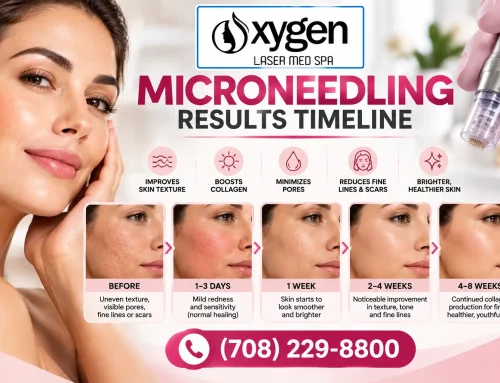
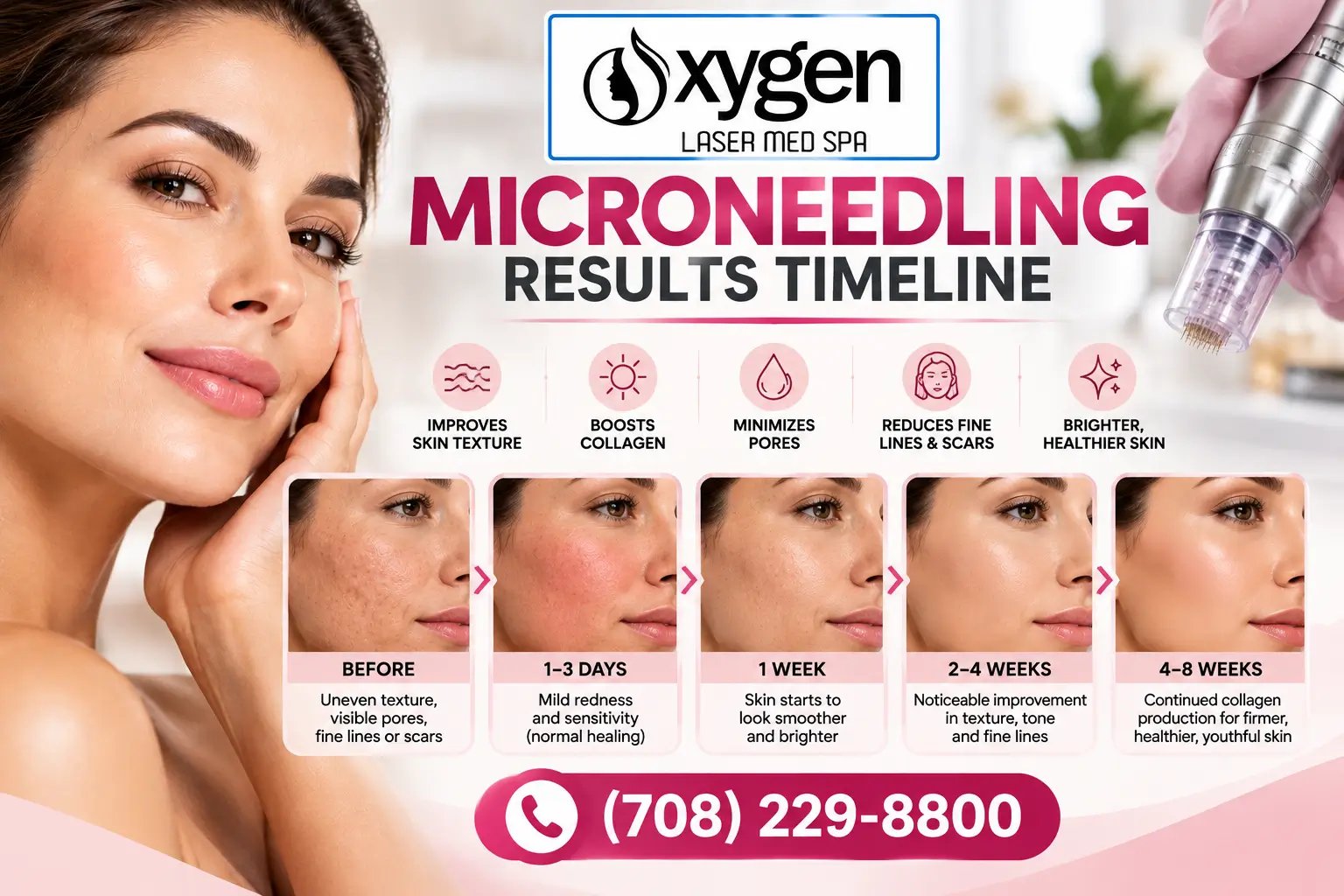
- Microneedling to encourage collagen and improve texture. Learn more on our microneedling page.
Daily Care Matters Most
Daily broad-spectrum sunscreen is one of the most effective anti-aging habits at any age. Gentle cleansing, moisturizing, and a consistent routine protect the results of any professional treatment.
Anti-Aging in Your 40s: Tone, Texture and Early Laxity
In the 40s, sun spots often become more noticeable, skin tone can look uneven, and many people begin to see early loss of firmness along the jawline and cheeks. Fine lines may become more defined.
Common Goals
- Even out tone and fade sun spots
- Improve texture and fine lines
- Support firmness before laxity progresses
Treatments Often Considered
- IPL photofacials to target sun spots and redness. Read what IPL actually does for sun spots and redness, or see our IPL photo facial service.
- Medium-depth chemical peels for stronger tone and texture improvement. Explore our chemical peels.
- Skin tightening to support firmness. See our skin tightening service.
- Microneedling series to keep building collagen.
- Targeted pigmentation treatment for stubborn discoloration. Learn about our skin pigmentation options.
Anti-Aging in Your 50s and Beyond: Resurfacing and Firmness
By the 50s, many people want to address deeper wrinkles, crepey texture, and accumulated sun damage, along with continued loss of firmness. This is when resurfacing treatments are commonly considered.
Common Goals
- Soften deeper lines and wrinkles
- Improve significant texture and sun damage
- Firm and tighten skin
Treatments Often Considered
- Fractional CO2 laser resurfacing for significant texture, wrinkle, and sun damage improvement. See our laser skin resurfacing (CO2) service and our CO2 resurfacing aftercare guide.
- Skin tightening to support firmness along the face and neck.
- Gentler maintenance treatments such as facials and light peels between bigger treatments.
Treatments at a Glance
| Treatment | What It Mainly Helps | Typical Downtime | Often Used In |
|---|---|---|---|
| HydraFacial or facial | Dullness, hydration, congestion | Little to none | All ages |
| Microdermabrasion | Surface texture and dullness | Little to none | 30s and up |
| Light chemical peel | Texture, mild tone issues | Minimal | 30s and up |
| Medium chemical peel | Tone, texture, fine lines | Several days of peeling | 40s and up |
| IPL photofacial | Sun spots, redness | Minimal; spots may darken before fading | 40s and up |
| Microneedling | Texture, fine lines, scars | A few days of redness | 30s and up |
| Skin tightening | Firmness | Little to none | 40s and up |
| Fractional CO2 laser | Wrinkles, deep texture, sun damage | Several days to a week or more | 50s and up |
Downtime varies by treatment depth and by person. Your provider will explain what to expect for your specific plan.
How to Combine Treatments
Combining treatments often delivers better overall results than relying on one. A good plan considers:
- Order. Spots and tone are often addressed before or alongside texture work.
- Spacing. Treatments need time between sessions so skin can heal and respond.
- Season. Many resurfacing treatments and peels are planned for fall and winter, when sun exposure is lower. Our fall chemical peel and CO2 resurfacing guide explains why.
- Maintenance. After correction, lighter treatments help keep results.
If you are unsure how resurfacing differs from rejuvenation, read skin rejuvenation vs. skin resurfacing.
Building a Yearly Plan
| Plan Element | Purpose |
|---|---|
| Consultation and skin assessment | Identify concerns and skin type |
| Correction phase | A series of targeted treatments for your main concerns |
| Maintenance phase | Regular facials and lighter treatments to keep results |
| Seasonal treatments | Deeper peels or resurfacing during lower-sun months |
| Daily home care | Sunscreen, cleansing, and moisturizing every day |
Regular facials are part of most long-term plans. If you plan to come in often, see whether our membership makes sense for you, and read is an Oxygen membership worth it.
Who Should Talk to a Doctor First
Some medical conditions, medications, pregnancy, active skin infections, or a history of abnormal scarring can affect which treatments are appropriate. Share your full health history at your consultation, and talk with your physician or dermatologist if you have any medical concerns.
Start With a Personalized Plan
Oxygen Med Spa has served Orland Park and the surrounding communities since 2008. Our skin rejuvenation approach starts with an assessment of your skin and goals, then builds a plan that fits your schedule and budget. If this is your first visit, read how to prepare for your first med spa visit.
Visit our Orland Park med spa at 14360 South La Grange Rd, Unit D, contact us, or call (708) 229-8800 to book a consultation.