Chemical Peel vs Microneedling vs Laser Resurfacing: Which One Your Skin Actually Needs — the Orland Park Guide for Fine Lines, Acne Scars, Sun Damage, Dull Skin, and Sagging, With What to Book First
By the Oxygen Med Spa team · Updated September 2026
If you live in the south suburbs, your skin has a specific history. It has been through fifteen Chicago winters of forced-air heat and wind off the lake, fifteen summers of Lake Michigan beaches and backyard pools and the drive home with the sun on the left side of your face, a few decades of makeup, and, if you’re honest, a few years of doing nothing about any of it. Then a photo from a wedding, a reunion, or a child’s graduation makes you look. That is the moment most of our Orland Park patients walk in, and the first thing they ask is which of the three treatments everyone talks about — the chemical peel, microneedling, or laser resurfacing — is the one for them. The honest answer depends on what’s bothering you, your skin tone, your calendar, and the season, and it is often a sequence rather than a single choice. This is the guide we wish every patient read before the consultation, written for the skin we actually see in this part of Chicagoland.
Oxygen Med Spa — peels, microneedling, fractional CO2 laser resurfacing, IPL, facials, and skin tightening by licensed providers at 14360 South La Grange Road, Unit D, Orland Park, IL 60462. Monday through Saturday, 10 to 5: (708) 229-8800.
Quick Answer: Book a chemical peel when the complaint is the surface — dullness, uneven tone, sun spots, fine lines, the tired look — and you want a visible change with a few days of flaking at most; our TCA peel special ($100, regularly $250) is the easiest first step in the south suburbs. Book microneedling when the problem lives deeper — acne scars, large pores, rough texture, early loosening — or when your skin tone makes heat-based treatments riskier; it rebuilds collagen safely over three to four sessions. Book fractional CO2 laser resurfacing when you want the biggest single change for deeper wrinkles, heavy sun damage, or stubborn scars and can give it a week of recovery, ideally between October and March. For sagging jowls and loose skin, none of the three is the first answer — skin tightening is. Oxygen Med Spa in Orland Park offers all of it under one roof and decides with you at a consultation: (708) 229-8800.
Why Orland Park Skin Needs a Different Answer Than a National Article Gives
The comparison articles that rank on Google are written for nobody in particular. Our patients are particular. They are the Tinley Park nurse who works three twelves and can’t take a week of laser recovery until her vacation in February. The Frankfort mother of the bride with eight weeks and a photo she cares about. The Homer Glen man in his forties who finally wants the acne pitting from high school gone. The Palos Heights teacher with melasma that darkens every July. The Mokena executive who has been told “Morpheus8” and “Botox” by three different spas and wants someone to explain what her skin actually needs. And the Orland Park woman in her fifties who isn’t chasing a new face — she wants her own, firmer and brighter, without surgery. Every one of those people needs a different plan, and the plan starts with the skin in front of us, not the treatment with the biggest ad budget. That is the difference between a med spa that sells procedures and one that manages your skin, and it’s the reason a first visit here is a conversation, not a menu.
The Three Treatments in One Paragraph Each
A chemical peel uses a controlled acid — a light glycolic or salicylic peel, a medium VI Peel, or our TCA peel at the depth your skin can take — to lift away the damaged outer layers so fresher, more even skin replaces them; it is the treatment for tone, brightness, and the first lines, and the least expensive place to start. Microneedling uses an FDA-cleared device to create thousands of microscopic channels below the surface, and the skin answers by building new collagen and elastin; it is the treatment for scars, pores, texture, and early laxity, and the safest of the three for medium and darker skin tones because there’s no heat and no acid. Laser resurfacing, in our spa fractional CO2, removes damaged tissue in a fine grid and heats the deeper skin so collagen contracts and rebuilds — a peel’s removal and microneedling’s remodeling at once, at a depth neither reaches, with the most recovery and the most careful selection. Each has its own page: chemical peels, microneedling, and fractional CO2 laser skin resurfacing.
“My Skin Looks Tired and Uneven” — Start With a Peel
This is the most common complaint in the south suburbs and the easiest to fix. Dullness, blotchy tone, the brown spots that appeared after last summer, clogged pores, and the fine lines that show up only in photos are all surface problems, and a peel is a surface treatment. A light peel is a lunch-hour visit with a day of mild flaking; a medium TCA or VI Peel is three to seven days of peeling and a noticeably brighter, smoother face on the other side. A series of three to four, a month apart, is what changes skin for a season. The TCA special exists because we would rather a new patient see what one professional peel does than read about it: $100 for a treatment that regularly runs $250, booked on our hot deals page, and the single most common first visit we schedule from Orland Park, Tinley Park, and Palos Heights.
TCA Peel vs VI Peel: The Difference, and Which to Choose
Patients hear “chemical peel” and picture one thing; at our spa it is mostly two, and they are not interchangeable. The TCA peel is a single-agent medium-depth peel — trichloroacetic acid, applied at a strength the provider chooses for your skin, typically in the low-to-mid range for a medium result. It is the more customizable of the two: the provider controls how deep it goes, layer by layer, and it excels at sun damage, fine lines, rough texture, and the shallow scarring and discoloration left by breakouts. It produces the more visible peel — about five to seven days of flaking — and at higher strengths it is chosen more cautiously for darker skin tones, which is why the consultation sets the depth. It is also the peel behind our standing special: $100, regularly $250, the most affordable professional resurfacing in the south suburbs. The VI Peel is a branded, medium-depth blend — TCA combined with salicylic acid, retinoic acid, phenol, vitamin C, and minerals — that is self-neutralizing, includes a numbing component so it is more comfortable on the skin, and comes with a take-home post-peel kit. Its defining advantage is that it is formulated to be safe on all skin tones, including the medium and darker skin that a stronger TCA would treat more conservatively, and it comes in versions aimed at specific problems: the original for tone and texture, a pigmentation version for sun spots and melasma, an acne version for active breakouts and oil, and an aging version for lines and loss of firmness. Peeling runs about three to seven days. Both are great options — this is not a case of a good peel and a lesser one. TCA gives the provider the most control and the most value; the VI Peel gives the widest safety across skin tones and the most predictable experience. How we choose: a fair-to-medium skin tone with sun damage, lines, or texture, and a patient who wants the provider to set the depth, points to TCA; a darker skin tone, active acne, melasma, or a patient who wants the most comfortable and predictable medium peel points to the VI Peel. Many patients alternate the two over a year. Both are described on our VI Peel in Orland Park and chemical peel pages, and both are booked more than any other first treatment here.
Chemical Peels: How Many Sessions, and What to Expect
How many sessions. One medium peel — TCA or VI — produces a visible brightening and smoothing that patients notice within a week of the flaking finishing, which is why the TCA special is the right first visit. Lasting change is a series: three to four peels spaced about four weeks apart for tone, texture, fine lines, and sun spots; four to six for stubborn discoloration, post-acne marks, or melasma managed alongside a topical program; and for light peels, a monthly visit that can continue year-round as maintenance. After a series, one or two peels a year — usually in the fall and after the holidays — hold the result. What to expect before. A consultation that sets the peel and the depth for your skin tone, a week or so off retinoids and exfoliants beforehand, and no fresh sun exposure in the days before the appointment. What to expect during. Cleansing and prep, the solution applied in layers over a few minutes, a warm-to-hot tingling that builds and then fades — the VI Peel’s numbing component keeps it mild, and a TCA peel is managed with a fan and short pauses — then either neutralization or, for the VI Peel, a self-neutralizing finish. The visit is under an hour. What to expect after. The skin looks slightly flushed and feels tight the first day; by day two or three it darkens and begins to flake, most visibly around the mouth and nose; peeling runs through about day five to seven; and underneath is the smoother, brighter skin you came for. Rules for that week: no picking or pulling flakes, gentle cleanser and a bland moisturizer only, no exfoliants or retinoids until cleared, mineral sunscreen every morning, and no workouts that leave you sweating for the first day or two. The VI Peel’s take-home kit walks you through it; for TCA we send you home with written instructions. Most patients schedule a medium peel for a Thursday or Friday and are back to normal makeup by the following week.
Microneedling: The Benefits, and How Many Sessions It Takes
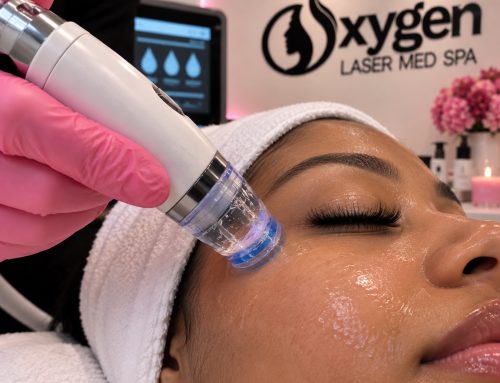
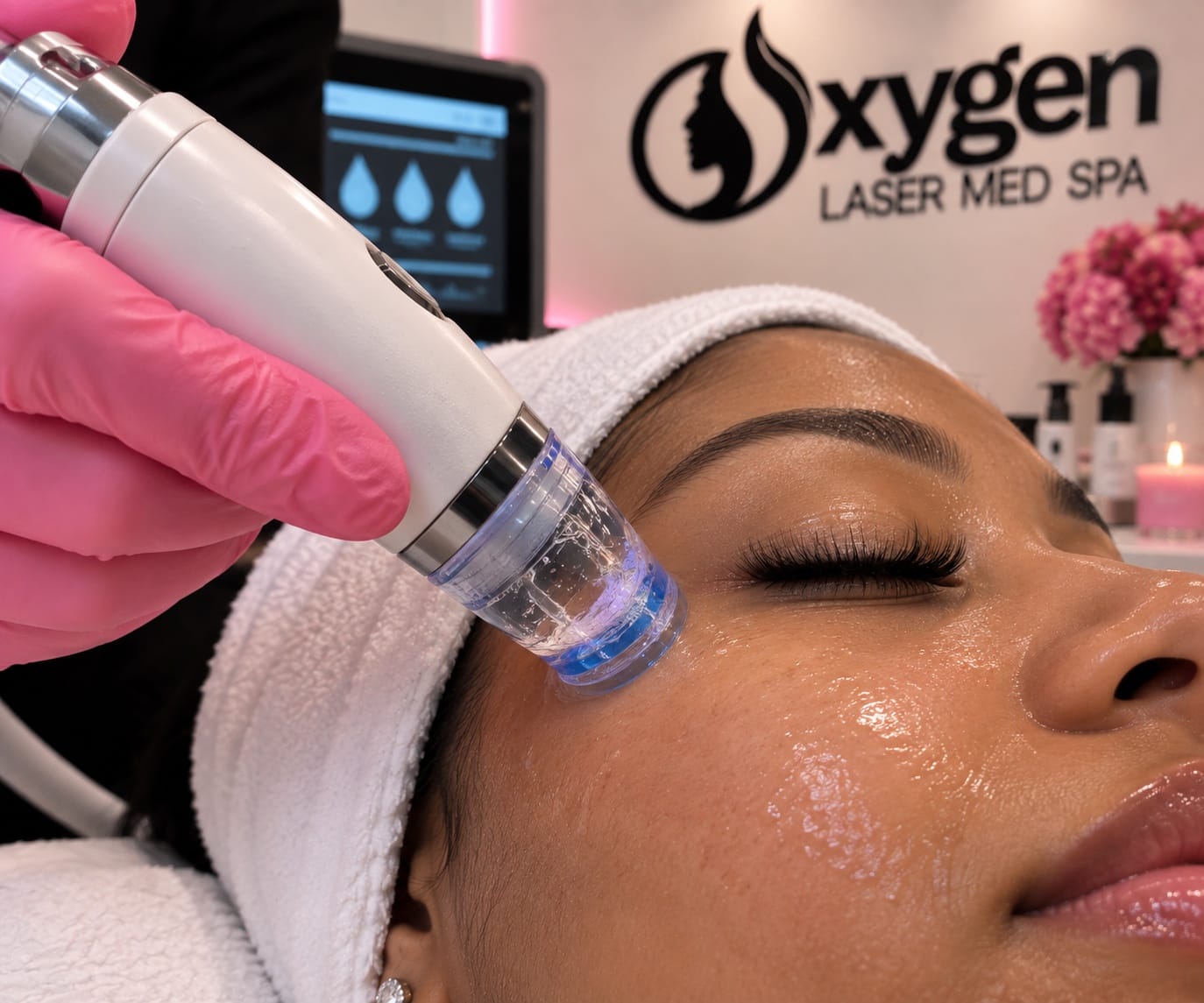
Microneedling earns its reputation because it improves several things at once with almost no downtime. The benefits: it fills in depressed acne scars and softens surgical scars by rebuilding collagen beneath them; it shrinks enlarged pores and smooths rough texture; it softens fine lines and gives early loose skin a firmer feel; it improves stretch marks on the body; it evens tone by helping post-acne marks fade; it makes skin-care products absorb more effectively for weeks afterward; and it does all of that safely on every skin tone, because there is no heat and no acid to cause dark marks. Redness looks like a sunburn for a day or two, and most patients wear makeup the next morning. How many sessions: a single session gives a glow that lasts a few weeks; real change is a series. For fine lines and general texture, plan three to four sessions spaced four to six weeks apart. For acne scars, plan four to six — scars are the deepest work and each session builds on the last. For stretch marks, four to six on the body. Results develop over the four to six weeks after each session as new collagen forms, so the skin you see at the end of the series is the result, and it keeps improving for a few months beyond it. After that, one or two maintenance sessions a year hold the gains. Adding a peel between sessions clears the discoloration on the surface while the microneedling rebuilds below, which is the combination most of our scar patients end up on. The treatment and the device are described on our microneedling page, and our microneedling for Mokena, Palos Heights, and Frankfort page covers the patients who drive in from those towns.
“It’s the Acne Scars and the Texture” — Start With Microneedling
Rolling and boxcar scars, the pitting left by years of breakouts, pores that never seem to close, and skin that feels rough under foundation are collagen problems, and a peel can’t reach them. Microneedling can. A series of three to four sessions, about a month apart, rebuilds the support under the scars and smooths the surface from below; most patients see fresher skin in a few weeks and the real texture change after the third session. It is also the treatment we recommend first for patients with medium and darker skin tones, where lasers and deeper peels carry more risk of dark marks, and it pairs well with a peel between sessions to clear the red and brown discoloration that sits on top of scarring. Our acne scar treatment page covers the full scar plan.
“I Want It Fixed” — When Fractional CO2 Is the Answer
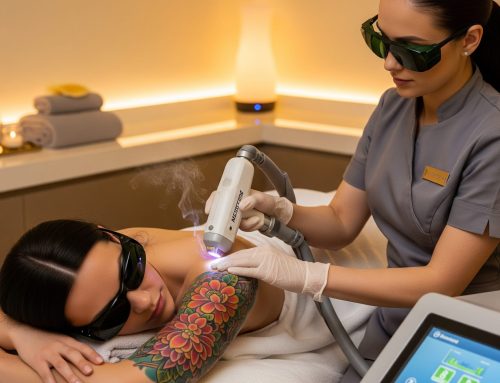
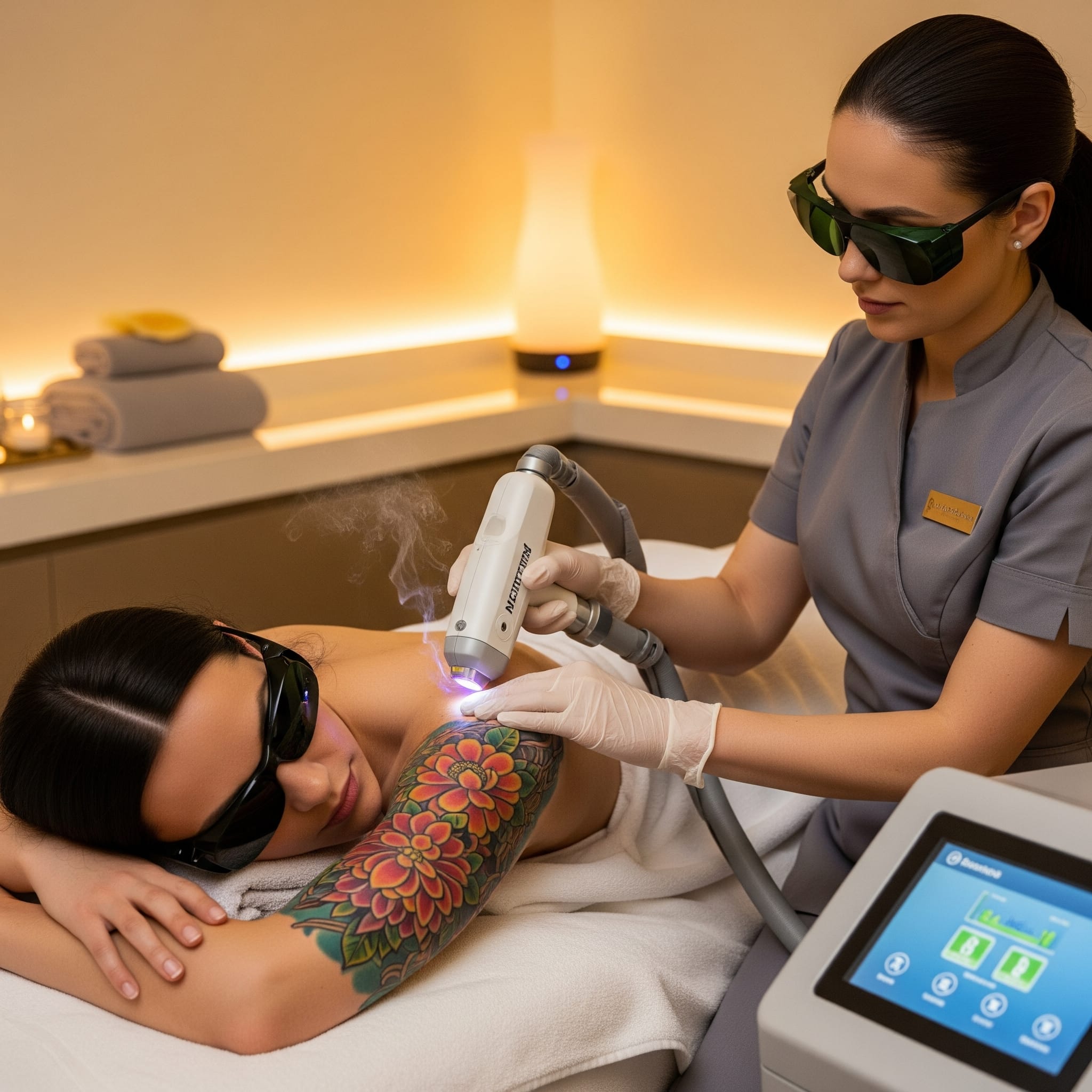
Deeper wrinkles that peels only soften, sun damage that has settled in over decades of summers at the lake, surgical scars, and acne scarring that hasn’t responded to gentler work — this is laser territory, and fractional CO2 is the most powerful tool in the building. It is also the one with real recovery: swelling and weeping for two to three days, crusting and peeling through about a week, pinkness that fades over several weeks, and no sun for the duration. That is why our laser calendar fills from October through March, why we ask about vacations and events before scheduling, and why skin type, medications, and recent sun are reviewed before anyone is booked. Done right, for the right patient, it is the treatment that makes people ask what you did. Our skin resurfacing page shows where CO2 sits among the options.
“It’s the Sagging — My Jawline, My Neck” — None of the Three Comes First
Here is the gap most comparison articles leave, and the reason so many south-suburb patients book the wrong treatment: peels, microneedling, and lasers improve the surface and modestly firm the skin, but loose jowls, a softening jawline, crepey neck skin, and the heaviness that arrives in the fifties are a tightening problem, and tightening is its own treatment. Our skin tightening service uses energy delivered below the surface to contract existing collagen and stimulate new, over a series, with no downtime — and for the lower face specifically, our non-surgical facelift program is built around the jowls and jawline. The strongest plans for patients over fifty are usually tightening for the structure plus a peel or microneedling series for the surface, sequenced over a season. If you have been offered only lasers for sagging, get a second opinion; if you have been offered only injectables, ask what happens to the skin itself.
“I Have Melasma / Dark Spots” — Choose Carefully
Brown spots from the sun and red marks from old breakouts respond well to peels and, on lighter skin, to our IPL photofacial. Melasma — the symmetrical patches on the cheeks, forehead, and upper lip that darken every summer and often arrive with pregnancy or hormones — is different: heat can make it worse, so lasers and IPL are approached conservatively and a peel series with a strict sunscreen and topical program usually comes first. Our skin pigmentation page explains the options by cause and skin tone, and this is one concern where a licensed provider’s eye at the consultation matters more than any article.
Skin Tone and Safety: The Part Competitors Skip
Orland Park and its neighbors are home to skin of every tone, and the three treatments do not behave the same on all of it. Medium and darker skin carries a higher risk of post-treatment darkening with lasers and deeper peels, which is why microneedling and lighter peels lead more often in those plans and why any CO2 treatment is built conservatively. Certain situations mean waiting: pregnancy or nursing, isotretinoin use in the past several months, an active cold sore or skin infection, a history of keloid scarring, recent unprotected sun, and some photosensitizing medications. A spa that books you the strongest treatment without asking is not doing you a favor. Ours starts every plan with your skin type and history.
The Chicago Calendar: When to Book What
Peels and lasers make the skin more sun-sensitive while it heals, so the season decides more than most people expect. October through March is resurfacing season in the south suburbs — the weeks before the holidays and the stretch after New Year’s are our busiest for CO2 and medium peels. Light peels, microneedling, facials, and skin tightening run year-round with diligent SPF. Working backward from an event: a CO2 treatment wants six to eight weeks; a microneedling series wants three to four months; a peel series wants six to eight weeks; a Hollywood facial wants forty-eight hours and is the one to book the week of the wedding.
Downtime, Told Straight
Light peel: mild pinkness for hours, faint flaking for a day. Medium TCA or VI Peel: redness the first day, visible peeling for three to seven days, no picking, strict sunscreen. Microneedling: sunburn-like redness for a day or two, makeup the next day. Fractional CO2: about a week of visible healing, pinkness for two to six weeks, no sun throughout. Skin tightening, Hydrofacial, Hollywood facial, and microdermabrasion: none.
What Each One Costs, and How Many Visits
Compare cost per result, not cost per visit. A peel is the least expensive single treatment and runs best as a series; the TCA special makes the first one an easy decision. Microneedling is priced per session and planned as three to four sessions for scars and texture. Fractional CO2 is the largest single-session investment and often a single treatment. Skin tightening is a series with no downtime. Every session price is published on our med spa price by session page — we publish them because our patients compare, and because a consultation should confirm a number, not reveal one — and patients who plan a season of care save with our membership and our referral rewards program.
The Sequences That Actually Work
The best skin in the south suburbs is rarely one treatment. Plans we build every week: a peel series to clear and brighten, then microneedling for texture; microneedling for scars with a peel between sessions for the discoloration; skin tightening for the jawline with a peel series for the surface; a single winter CO2 treatment for deep sun damage, then maintenance peels and facials; and, for skin that has never been treated, the TCA special first to see how it responds before anything stronger. What we never do is stack acid, needles, and heat in the same week — spacing is part of the safety, and it’s written into the plan. Maintenance between the bigger treatments is the Hydrofacial, the monthly visit that keeps everything clear, and the broader menu is on our facials and skin rejuvenation pages. For volume loss that no skin treatment addresses — hollow cheeks, deep folds — Juvederm is the separate conversation.
Skin Care Between Visits: What Protects the Investment
Every treatment above is only as good as the two weeks after it and the months between. Gentle cleanser, a bland moisturizer, no retinoids or exfoliants until cleared, hands off peeling skin, and mineral sunscreen every single morning — in January too, because the sun off the snow on La Grange Road is real. Laser patients get a written day-by-day protocol and a follow-up visit; peel and microneedling patients get the same in shorter form; every patient leaves with a home regimen matched to the treatment. The patients whose results last are the ones who treat skin care as part of the treatment, not an afterthought.
Why South-Suburb Patients Choose Oxygen Med Spa
Licensed providers who explain before they treat. Every major skin treatment under one roof, so the plan isn’t limited to whatever device a spa happened to buy. Published session pricing, standing specials, and a membership for people who take care of their skin year-round. A location on La Grange Road minutes from Tinley Park, Frankfort, Mokena, Homer Glen, New Lenox, Palos Park, Palos Heights, Oak Forest, and Lockport, open six days a week. A gallery of real results and reviews from patients who sat in the same chair. And a first visit that starts with your skin, not a sales script — which is why the most common thing we hear at the second appointment is “I wish I’d come in years ago.”
Peel vs Microneedling vs Laser: Questions Our Orland Park Patients Ask
Which is best for acne scars, microneedling or laser?
Microneedling for most patients and all skin tones, in a series; fractional CO2 for deep, resistant scars on lighter skin that can take a week of recovery.
Chemical peel or microneedling for dark spots?
A peel, usually — discoloration is a surface problem. Microneedling changes texture more than tone.
What actually fixes sagging jowls?
Skin tightening and our non-surgical facelift program — not peels or lasers, which improve the surface but don’t lift.
Is laser resurfacing safe for darker skin?
It needs conservative settings and careful selection; microneedling or a peel series is often the better first choice. Skin tone is the first thing we assess.
Can I do a peel and microneedling on the same day?
No — they’re alternated in a plan with spacing between them, which the consultation sets.
How many microneedling sessions do I need?
Three to four, about a month apart, for scars and texture. One session refreshes; a series remodels.
When should I book laser resurfacing in Chicago?
October through March, when avoiding the sun during healing is easiest. Peels, microneedling, facials, and tightening run all year.
What does it cost at Oxygen Med Spa?
Session prices are on our price-by-session page; the TCA peel special is $100 (regularly $250); a consultation confirms the full plan and total before you commit.
Book the Right Treatment, Not the Loudest One
Your skin has a history and it deserves a plan, not a guess. Oxygen Med Spa in Orland Park offers chemical peels, microneedling, fractional CO2 laser resurfacing, IPL, skin tightening, and the facials that keep it all working, performed by licensed providers who will tell you which one fits — call (708) 229-8800, or start with the TCA peel special and book it online. Monday through Saturday, 10 to 5, at 14360 South La Grange Road, Unit D, Orland Park.
This article is for general education and does not replace an in-person evaluation. Suitability, risks, and results vary by individual; a licensed provider at Oxygen Med Spa reviews your skin and medical history before recommending any treatment.