Melasma, Sun Spots, and Hyperpigmentation Aren’t the Same Thing — Here’s How to Tell Them Apart and What Actually Treats Each — A Guide for Orland Park, Tinley Park, Palos Heights, and Frankfort
By Kabirat A. · Oxygen Med Spa, Orland Park, IL · Updated September 2026
Oxygen Med Spa — 14360 South La Grange Road, Unit D, Orland Park, IL 60462, serving Orland Park, Tinley Park, Palos Heights, Oak Lawn, and Frankfort. Open Monday–Saturday, 10 AM–5 PM, closed Sunday. (708) 229-8800 · book online.
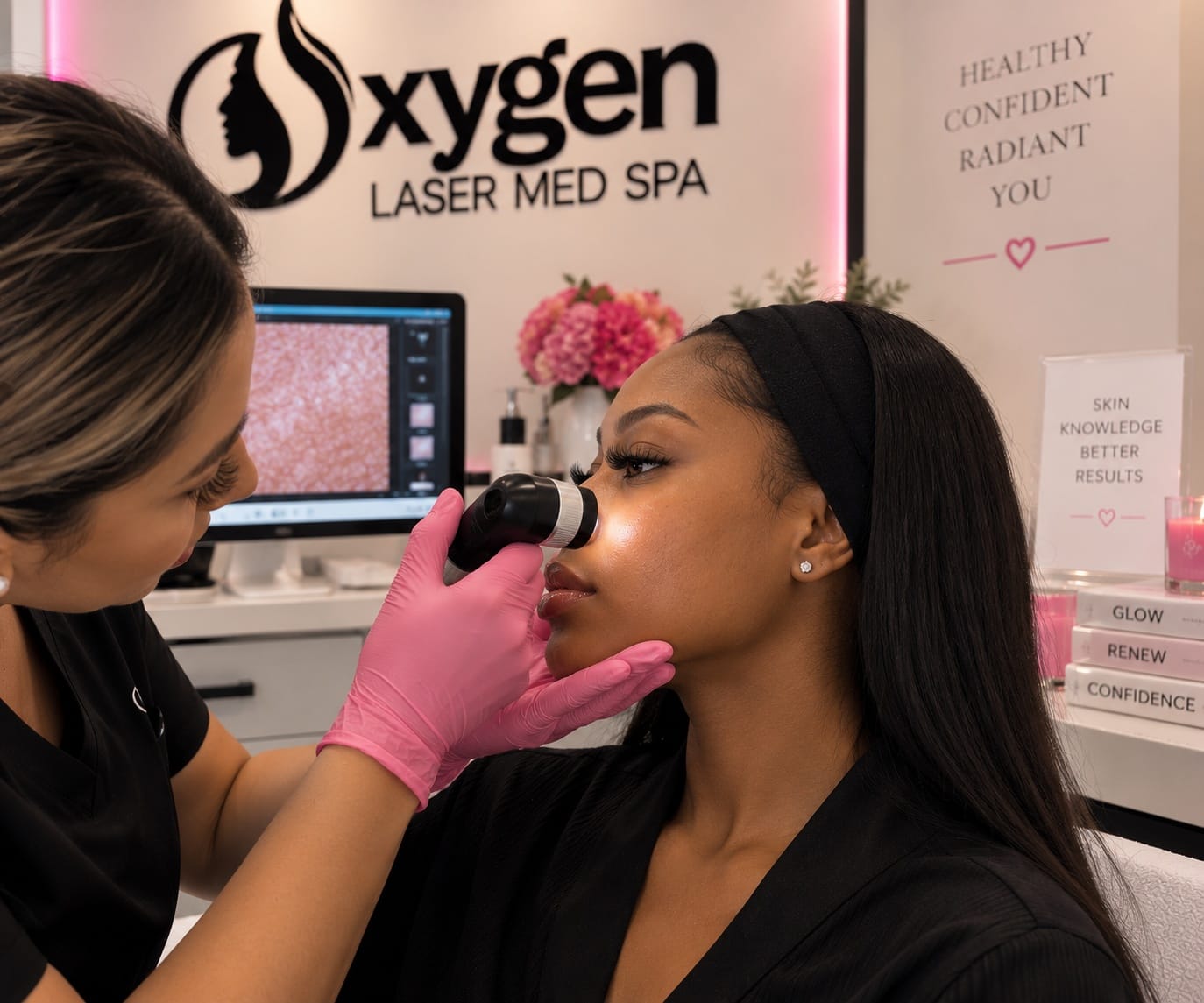
Quick answer: “Discoloration” gets used as a catch-all term, but melasma, sun spots, and general hyperpigmentation are three different things with three different causes — and treating the wrong one the wrong way can actually make it worse. Sun spots are caused by direct UV damage and respond well to light-based treatments. Melasma is hormonally driven and far more sensitive to aggressive treatment, sometimes worsening with the wrong approach. General hyperpigmentation covers a broader range of causes, including post-acne marks. Our experienced team at our skin pigmentation consultations starts by figuring out which one you’re actually dealing with before recommending anything.
Sun Spots: Direct Sun Damage, Localized
Also called age spots or solar lentigines, sun spots form from years of cumulative UV exposure causing pigment-producing cells to overproduce in specific spots, usually on areas that get the most sun — face, hands, chest, shoulders. They tend to be well-defined, flat, and brown, and they typically respond well to treatments that target pigment directly, since the cause is localized sun damage rather than a body-wide hormonal process.
Melasma: Hormonal, More Widespread, More Sensitive
Melasma appears as larger, often symmetrical patches, commonly across the cheeks, forehead, or upper lip, and is driven primarily by hormonal factors — pregnancy, birth control, and hormone therapy are common triggers. This is the discoloration type most likely to be worsened by aggressive treatment; heat and inflammation from certain lasers or peels can actually trigger more pigment production in melasma-prone skin, making the condition worse rather than better. Melasma requires a more cautious, often layered approach, and sun protection is non-negotiable, since UV exposure is a major trigger for flare-ups.
General Hyperpigmentation: The Broad Category
This is the catch-all term for darkened patches of skin from a range of causes beyond sun damage and hormones — post-inflammatory hyperpigmentation from acne or injury, certain medications, and other skin irritation can all leave behind dark marks. This type often fades on its own over time, though treatment can speed up the process meaningfully.
Why Getting This Distinction Right Actually Matters
A treatment that works beautifully on sun spots can worsen melasma. This is the single most important reason not to guess at your own diagnosis or assume every dark patch responds to the same fix. A proper assessment considers the pattern, location, and likely cause of your specific discoloration before recommending a treatment path.
What Actually Treats Sun Spots
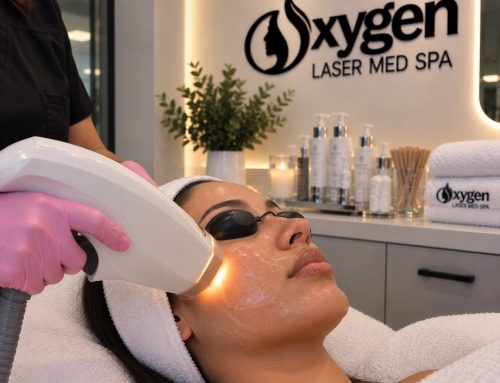
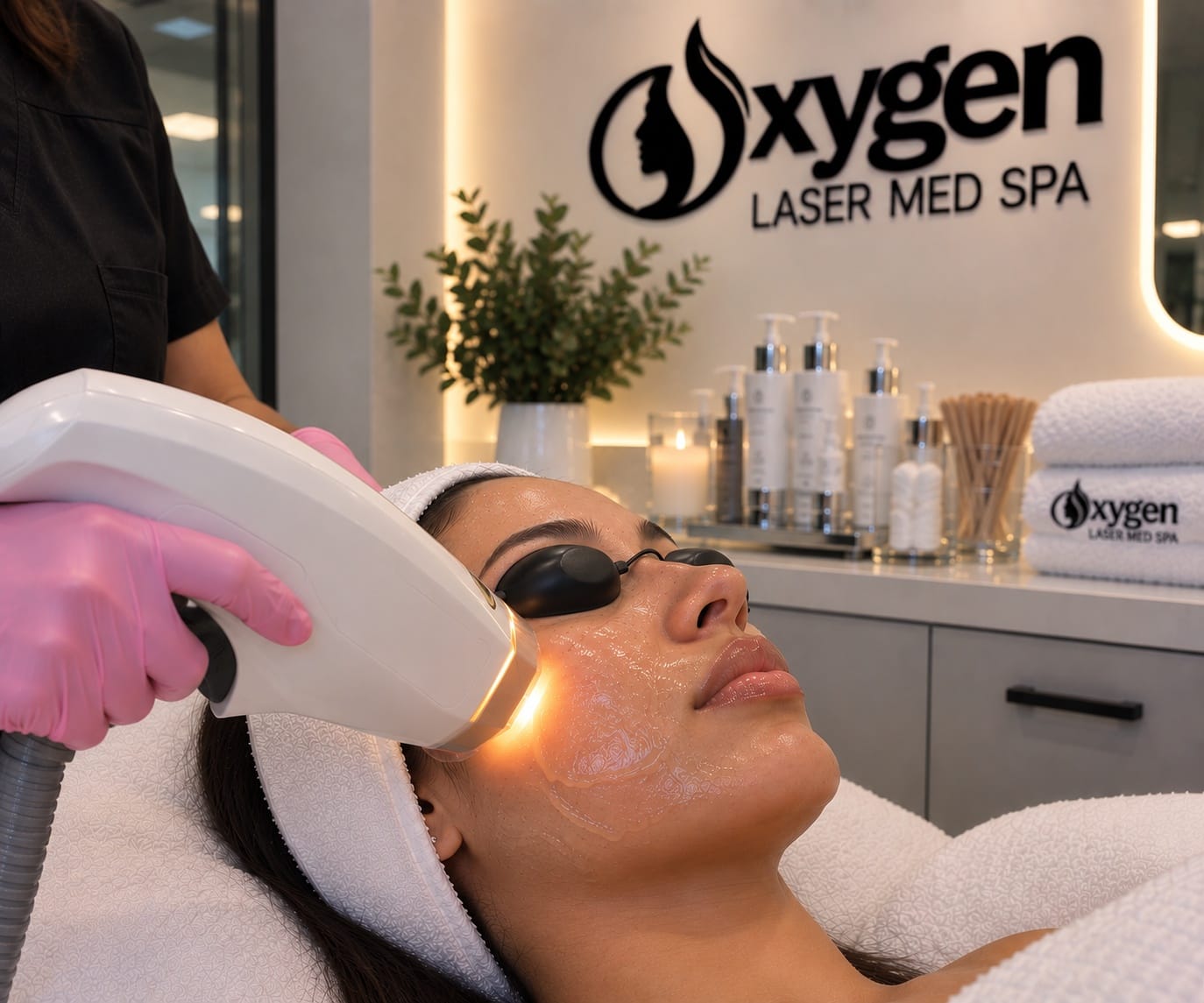
Our IPL photo facial is one of the most effective options for sun spots specifically, since it directly targets pigment with light energy, causing spots to darken and flake off over one to two weeks. Chemical peels can also help with sun spots, particularly when combined with a consistent sun protection routine afterward.
What Actually Treats Melasma
Melasma treatment is more conservative by necessity. Gentle, lower-strength chemical peelsare sometimes appropriate, but aggressive laser treatments are often avoided or used with significant caution due to the risk of triggering worse pigmentation. Strict, daily sun protection is the single most important factor in managing melasma, regardless of what in-office treatment is used alongside it.
What Actually Treats General Hyperpigmentation
Microneedling and chemical peels are both commonly used for post-acne marks and general hyperpigmentation, since these causes typically respond well to treatments that support overall skin renewal and turnover, without the same hormonal sensitivity that makes melasma more complicated.
Why a Consultation Matters More Here Than Almost Anywhere Else
Because the wrong treatment for melasma specifically can make things worse, this is one of the clearest cases where a proper consultation — rather than picking a treatment off a menu — genuinely changes the outcome. If you’re not sure which type of discoloration you’re dealing with, that’s a completely normal starting point for a visit, not something you need to diagnose yourself beforehand.
Frequently Asked Questions
How can I tell if I have melasma or sun spots?
Melasma tends to appear as larger, symmetrical patches, often on the cheeks or forehead, while sun spots are typically smaller, well-defined, and scattered. A consultation can confirm which you’re dealing with.
Can melasma be cured completely?
Melasma is often managed rather than permanently cured, since hormonal triggers can cause it to return. Consistent sun protection is key to keeping it under control long-term.
Is IPL safe for melasma?
IPL is generally used cautiously or avoided for melasma specifically, since heat-based treatments can worsen it in some patients. This is assessed individually at a consultation.
Will hyperpigmentation from acne go away on its own?
Often it fades gradually over time, though treatment can speed up the process and improve results compared to waiting alone.
What does treatment cost?
Pricing varies by treatment type and how many sessions are needed. See our 2026 price list for current rates.
Where are you, and how do I book?
14360 South La Grange Road, Unit D, Orland Park, IL 60462. Book online or call; Monday–Saturday, 10 AM to 5 PM.
Find Out What You’re Actually Treating
Getting the diagnosis right is the most important step before choosing any treatment. Book online or call (708) 229-8800.
Oxygen Med Spa · 14360 South La Grange Road, Unit D, Orland Park, IL 60462 · (708) 229-8800 · Mon–Sat, 10 AM–5 PM · Closed Sunday