Why Dosing, Facial Anatomy, and Goals Often Differ for Men — and What to Know Before Your First Treatment — A Guide for Orland Park, Tinley Park, Palos Heights, and Frankfort
By Kabirat A. · Oxygen Med Spa, Orland Park, IL · Updated September 2026
Oxygen Med Spa — 14360 South La Grange Road, Unit D, Orland Park, IL 60462, serving Orland Park, Tinley Park, Palos Heights, Oak Lawn, and Frankfort. Open Monday–Saturday, 10 AM–5 PM, closed Sunday. (708) 229-8800 · book online.
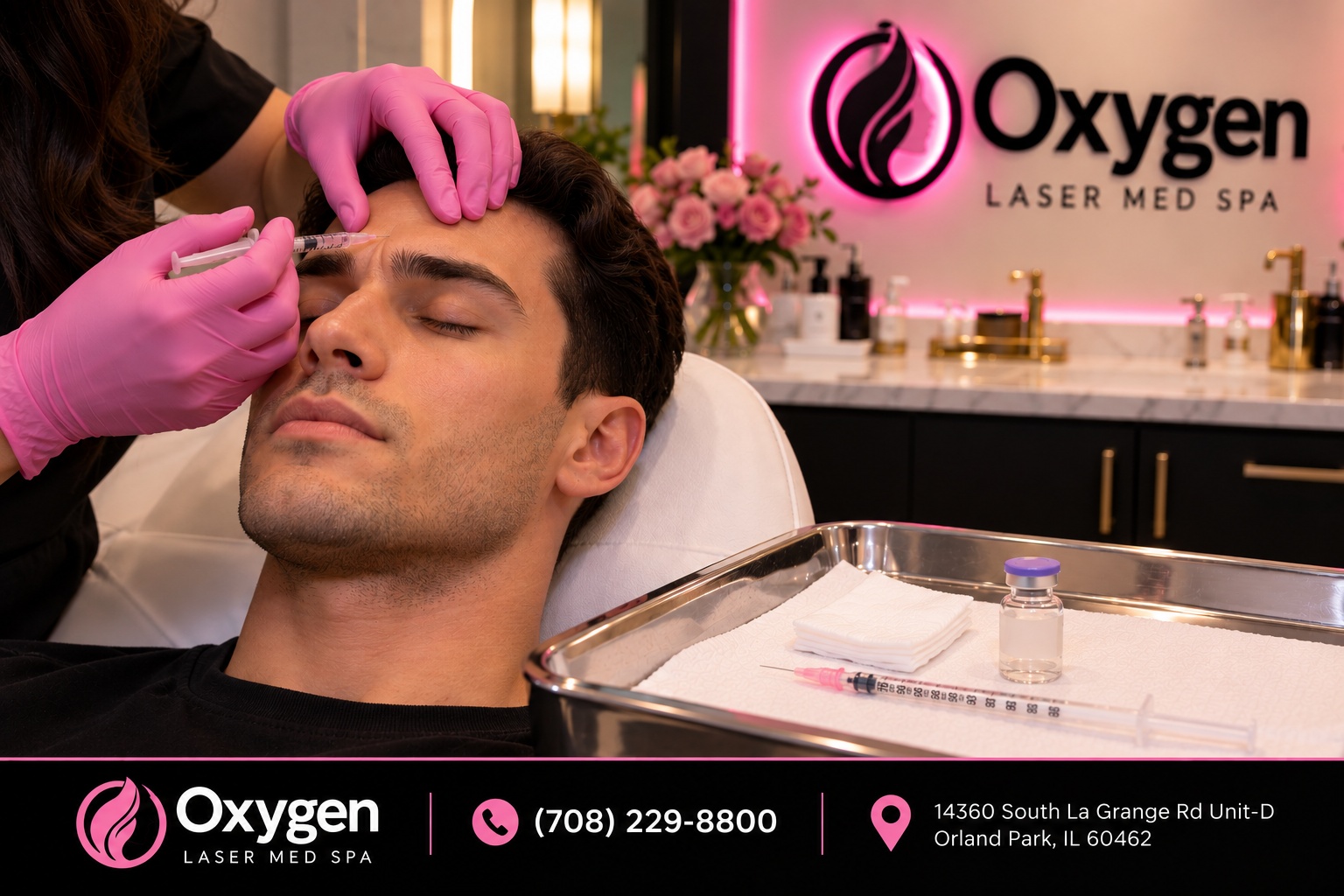
Quick answer: Botox works the same way in men and women — it temporarily relaxes the muscles that cause movement-related lines — but the details often differ. Men typically have stronger facial muscles, which can mean higher unit counts to achieve a comparable effect. Goals also tend to differ: many men want to soften lines while keeping visible movement and expression, rather than aiming for a completely smooth result. Getting these details right is why “Brotox,” as it’s sometimes called, isn’t just smaller-dose Botox for a male face — it’s its own approach.
Why Male Facial Anatomy Changes the Approach
Men generally have thicker, stronger facial muscles than women, particularly in the forehead and glabella (the area between the eyebrows). Because Botox works by relaxing muscle activity, stronger muscles often require more units to achieve a similar softening effect. This isn’t a fixed rule for every patient, but it’s a pattern significant enough that treatment plans are usually built around it rather than using the same unit counts across the board.
The Goal Is Usually Different, Not Just the Dose
Many men specifically want to avoid looking overdone or losing natural expression, and that goal shapes the whole treatment plan, not just how many units are used. A conservative, movement-preserving approach is often the starting point, with the ability to add more in a follow-up session if a client wants a more pronounced effect. This is different from a one-size treatment plan aimed at maximum smoothness.
Common Treatment Areas for Men
Forehead lines, frown lines between the brows, and crow’s feet are the most commonly treated areas for men, similar to women, though the pattern and depth of these lines can differ based on skin thickness and years of sun exposure. Some men also ask about softening a heavy brow or reducing jawline tension, both of which Botox can address depending on individual anatomy.
Why Some Men Wait Longer to Start
Because male skin tends to be thicker and lines can take longer to become as visible as they do on thinner skin, some men start treatment a bit later than women typically do, when lines are more established. This isn’t a hard rule, and starting earlier as a preventive measure is also common and effective — it depends on individual goals and how visible movement lines already are.
What a Consultation Actually Covers
A proper consultation looks at your specific facial anatomy, muscle strength, and the areas that bother you, rather than assuming a standard treatment plan. This is where realistic unit counts and expected results are discussed, based on your face rather than a generic average.
Pairing Botox With Other Treatments
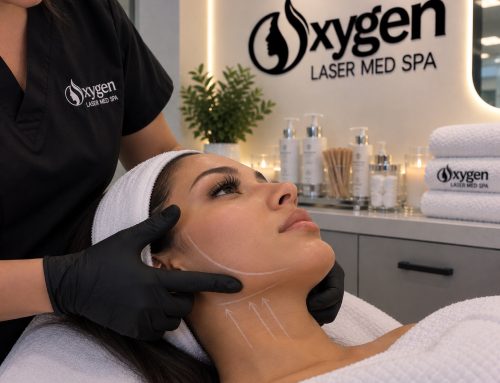
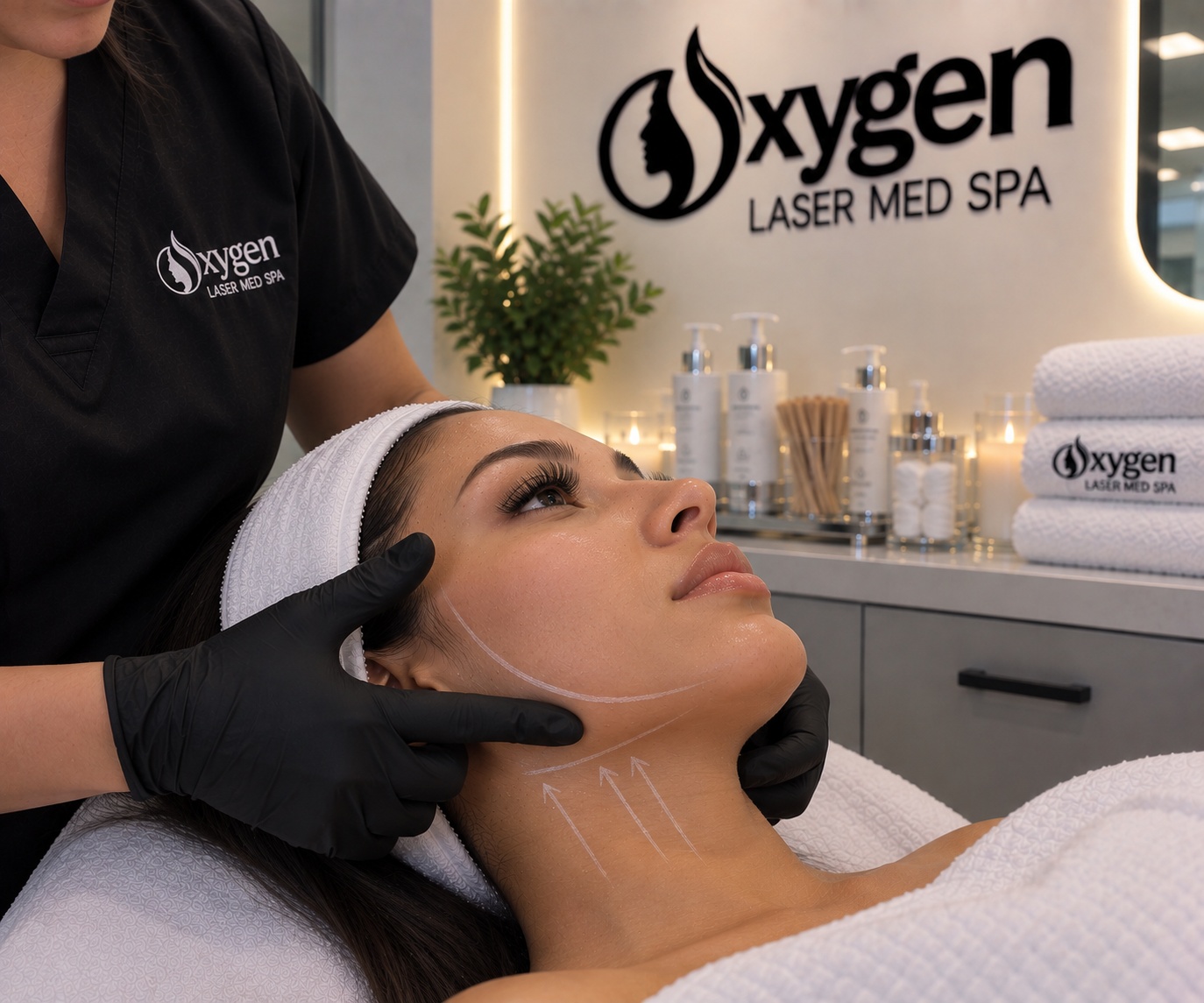
Some men combine Botox with treatments that address different concerns — skin tighteningfor jawline or neck firmness, microneedling for overall texture, or a chemical peel for overall tone. Since Botox only addresses movement-related lines, it’s often part of a broader plan rather than the only treatment someone gets.
What Recovery and Results Actually Look Like
Recovery is minimal for most patients regardless of gender — some mild redness or small bumps at injection sites that resolve quickly. Results typically begin showing within three to seven days, with full effect around two weeks, and last roughly three to four months before a touch-up is needed, similar to the general timeline for Botox in any patient.
Addressing the Stigma
Botox for men has become significantly more common and less stigmatized in recent years, and most clients find the process is exactly as straightforward as they’d expect from any other med spa treatment. A good consultation focuses on your specific goals, not on making assumptions about what “men’s Botox” should look like.
Frequently Asked Questions
Do men need more Botox units than women?
Often yes, due to generally stronger facial muscles, though this varies by individual and is determined at a consultation rather than assumed.
Will Botox make my face look frozen or unnatural?
Not with a conservative, movement-preserving approach, which is a common goal for many male patients specifically. Overdone results typically come from inexperienced injecting or excessive dosing, not from Botox itself.
At what age should men start considering Botox?
This varies by individual — some start as a preventive measure before lines are established, others wait until lines are more visible. There’s no single right age.
Does Botox hurt more for men?
No, the sensation is similar regardless of gender — most patients describe brief, minor discomfort from the fine needles used.
How long do results last?
Typically three to four months, similar to the general Botox timeline, though this can vary by individual metabolism and muscle strength.
What does it cost?
Pricing depends on the treatment area and units needed. See our 2026 price list for current rates.
Where are you, and how do I book?
14360 South La Grange Road, Unit D, Orland Park, IL 60462. Book online or call; Monday–Saturday, 10 AM to 5 PM.
Get a Treatment Plan Built Around Your Face
Our experienced team starts every Botox consultation by assessing your specific anatomy and goals, not applying a generic plan. Book online or call (708) 229-8800.
Oxygen Med Spa · 14360 South La Grange Road, Unit D, Orland Park, IL 60462 · (708) 229-8800 · Mon–Sat, 10 AM–5 PM · Closed Sunday