
Dark patches, brown spots and uneven skin tone can be frustrating, especially when discoloration seems resistant to the creams and serums you have tried. Whether pigmentation developed after sun exposure, hormonal changes, acne or skin irritation, the right skin pigmentation treatment can help improve the appearance of uneven tone.
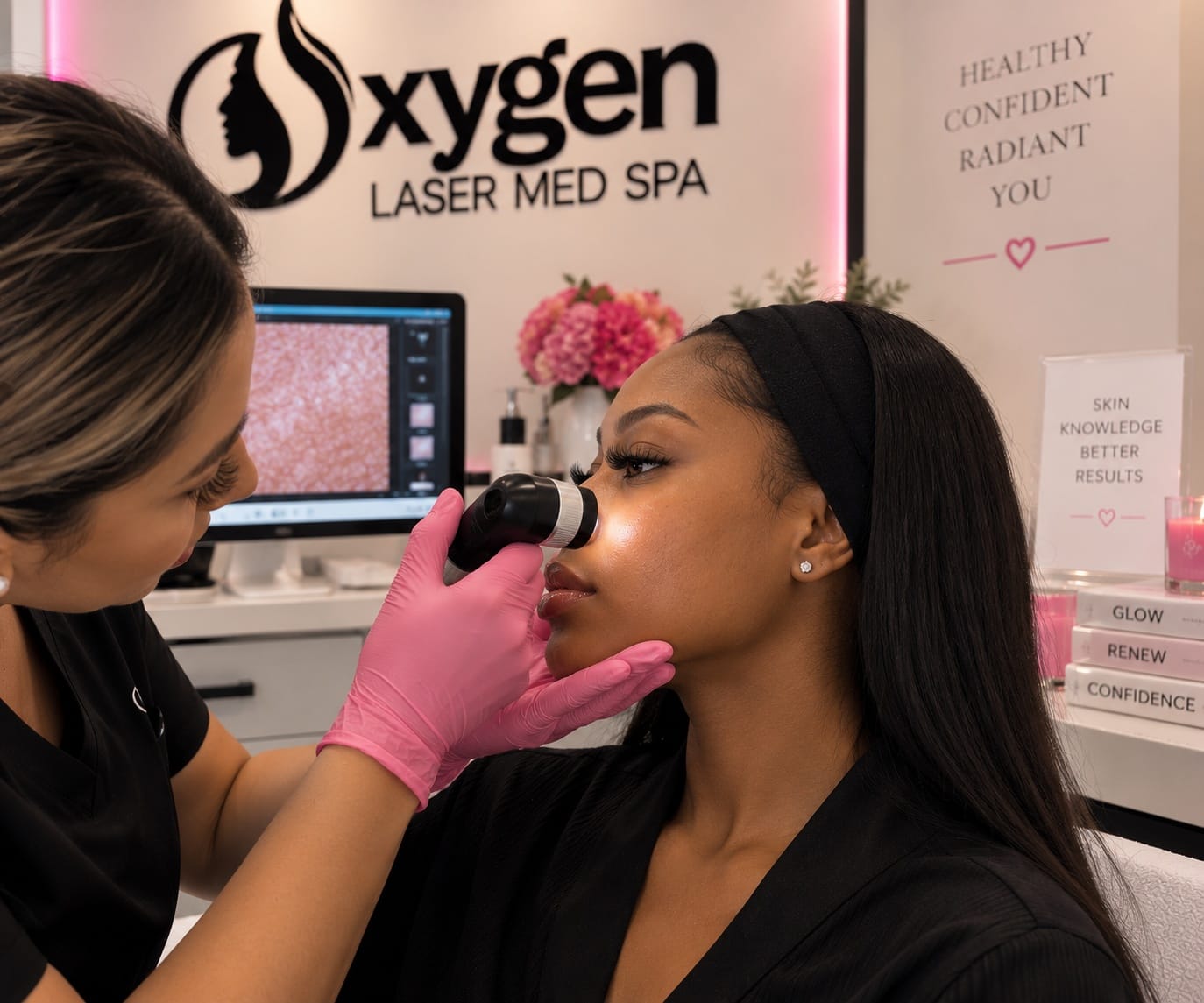
At Oxygen Med Spa in Orland Park, treatment is customized according to the type of pigmentation, your skin characteristics and your individual goals. Because different forms of pigmentation can respond differently to treatment, identifying the underlying concern is an important first step.
What Causes Skin Pigmentation?
Skin pigmentation is influenced by melanin, the natural pigment responsible for skin color. When melanin production becomes uneven or excessive in certain areas, darker patches or spots can develop.
Common causes include:
- Sun exposure: UV radiation can stimulate melanin production and contribute to sunspots and uneven tone.
- Hormonal changes: Hormonal fluctuations can contribute to melasma.
- Acne and inflammation: Skin inflammation can leave behind dark marks known as post-inflammatory hyperpigmentation.
- Skin injuries or irritation: Cuts, burns and irritation may sometimes result in lingering discoloration.
- Aging: Cumulative sun exposure and changes in the skin over time can contribute to visible pigmentation.
Understanding what is causing the discoloration helps determine which treatment approach may be appropriate.
Explore our skin pigmentation treatment in Orland Park to learn more about our approach to uneven pigmentation.
Common Types of Pigmentation
Not all pigmentation looks or behaves the same way.
Sunspots and Age Spots
Sunspots are typically flat areas of brown or darker pigmentation associated with cumulative sun exposure. They commonly appear on areas that receive frequent sun exposure, such as the face, neck, chest and hands.
Melasma
Melasma often appears as larger, irregular or symmetrical patches of brown or gray-brown discoloration, commonly affecting the cheeks, forehead, nose or upper lip.
Hormonal changes and sun exposure can contribute to melasma. Because melasma can be persistent and may worsen with certain triggers, it often requires a more cautious and long-term management approach.
Post-Inflammatory Hyperpigmentation
Post-inflammatory hyperpigmentation can occur after acne, irritation or another inflammatory skin event. The original blemish may disappear while a darker mark remains behind.
Treatment should focus on improving the appearance of pigmentation while avoiding unnecessary irritation that could potentially make discoloration more noticeable.
Professional Skin Pigmentation Treatment Options
There is no universal treatment for every pigmentation concern. Depending on your skin and the type of discoloration present, several professional options may be considered.
Chemical Peels
Chemical peels use carefully selected exfoliating ingredients to encourage the removal of damaged surface skin cells. Depending on the type and strength of peel, they may help improve the appearance of uneven tone, dullness and certain forms of pigmentation.
IPL Photofacial
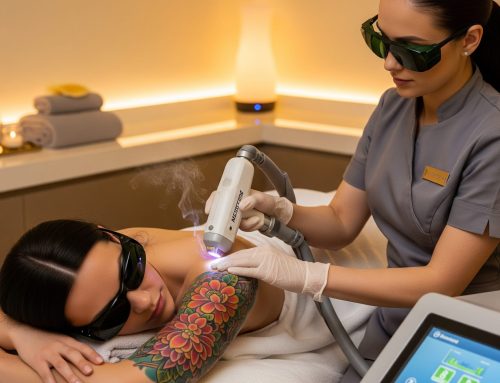
IPL, or Intense Pulsed Light, uses controlled light energy to target certain forms of unwanted pigmentation. It can be particularly useful for some sun-related brown spots and uneven pigmentation.
Learn more about our IPL photofacial treatment in Orland Park if sun-related discoloration is one of your primary concerns.
Microneedling
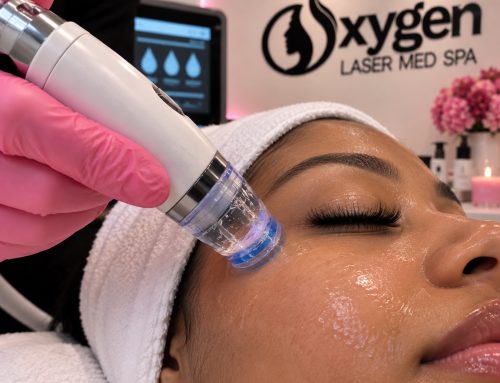
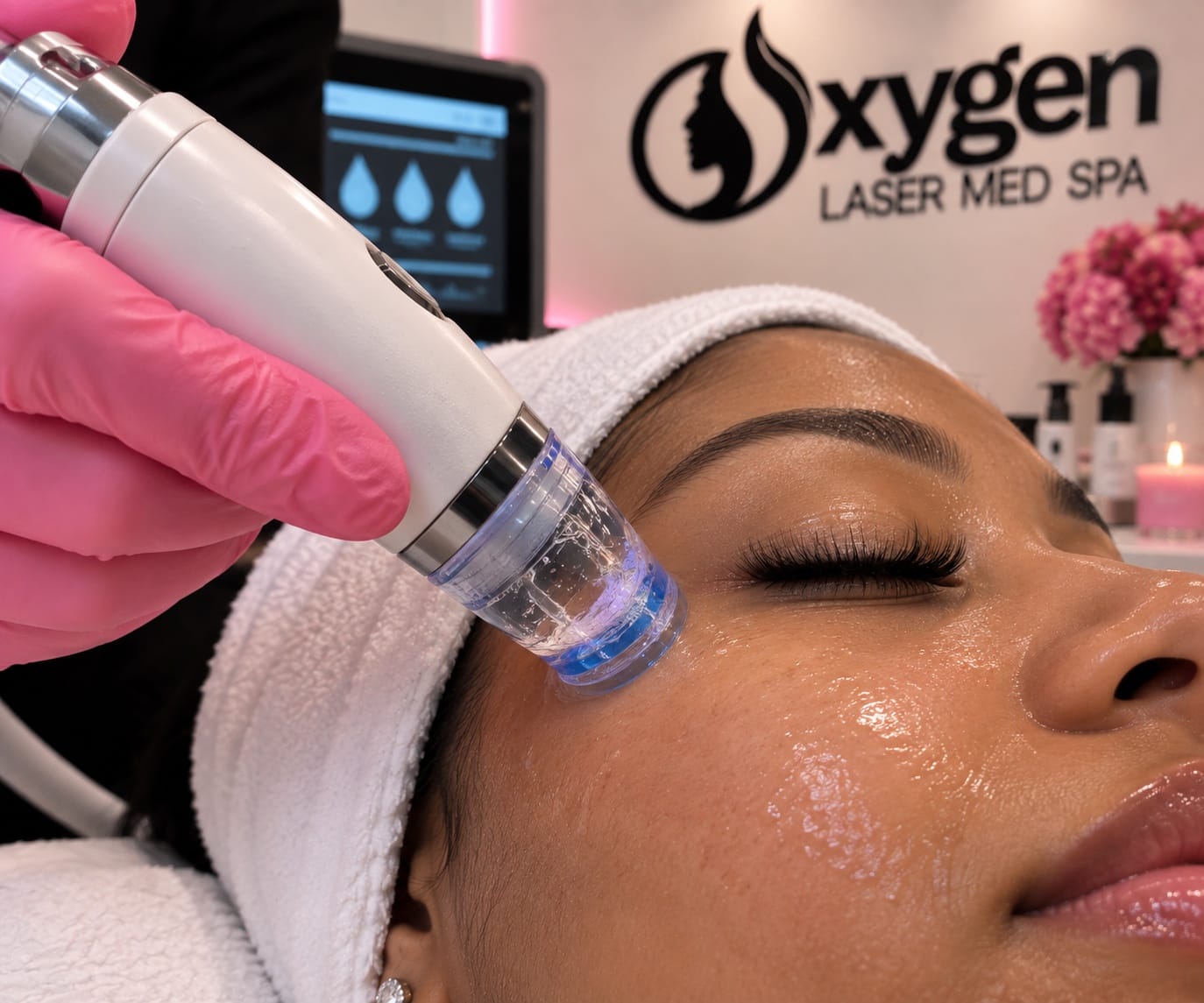
Microneedling creates controlled micro-injuries that stimulate the skin’s natural repair process. Depending on your skin and treatment plan, it may help improve uneven texture and the appearance of certain post-inflammatory marks.
You can also explore our microneedling treatment in Orland Park to learn more about this approach.
The appropriate treatment depends on your pigmentation type, skin tone, sensitivity and overall goals. A professional evaluation is important before selecting a treatment.
A Special Note About Melasma
Melasma deserves particular consideration because it can be persistent and may respond differently from sunspots or post-acne pigmentation.
Heat, hormonal changes and sun exposure can contribute to melasma becoming more noticeable. Aggressive treatment may not always be appropriate, particularly if your skin is prone to post-inflammatory pigmentation.
For this reason, melasma management often involves a conservative, individualized approach combined with consistent sun protection and an appropriate home skincare routine.
Why Sun Protection Matters
Daily sun protection is one of the most important parts of managing pigmentation.
UV exposure can stimulate melanin production and contribute to both existing discoloration and the development of new spots. Even after professional treatment improves the appearance of pigmentation, ongoing sun exposure can make discoloration return.
Use a broad-spectrum sunscreen every day and follow your provider’s recommendations for protecting your skin outdoors. Consistent sun protection can help maintain treatment results and support a more even-looking complexion.
How Long Does Skin Pigmentation Treatment Take to Work?
Pigmentation usually does not disappear overnight. Depending on the type of discoloration and treatment selected, improvement may occur gradually over a series of treatments.
Some people notice changes after an initial treatment, while others need multiple sessions spaced several weeks apart. Your results will depend on the underlying cause of pigmentation, the treatment approach and how consistently you follow your recommended skincare and sun-protection routine.
During your consultation, your provider can discuss what type of improvement may realistically be expected.
Find the Right Skin Pigmentation Treatment in Orland Park
Stubborn pigmentation does not have to be something you simply accept. With the right evaluation and personalized treatment plan, it may be possible to improve the appearance of dark spots and create a more even-looking complexion.
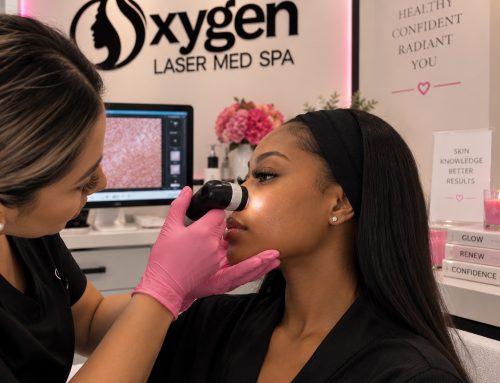
At Oxygen Med Spa in Orland Park, our team can assess your pigmentation and recommend an appropriate approach based on your skin and goals.
Ready to explore your options? Call (708) 229-8800 or book your consultation online.
Learn more about our skin pigmentation service and take the first step toward a clearer, more even-looking complexion.